

The unregulated development of Artificial Intelligence (AI) is driving the construction of huge numbers of data centres around the world, provoking both consternation and resistance in local communities such as Leeds. A data centre is essentially a building to house computer servers. Some are very large, for example one proposed in Devon would take up 850 acres of farmland. Since 2018, the number of large data centres worldwide has tripled, although no one knows the exact number of how many have been built. Objections are not just about the threat to energy supplies and driving climate change, but also damage to the local environment and impact on health and the quality of life for those living nearby. In the UK, the Scottish National Party and the Green Party have backed a moratorium on new developments. Labour, however, enthusiastically presents data centres in a wholly positive light as ‘engines of the AI age’ that will drive economic growth. No clear explanation is given of exactly how people’s lives will be improved. Given that ownership and control lie with US tech companies, some have described Labour’s endorsement as being based more on ‘fear of missing out’ than any considered and rational analysis of potential benefit weighed against possible risk.
Democratic deficit
n 2024, the UK Government designated data centres as part of the country’s critical national infrastructure – making them Nationally Significant Infrastructure Projects (NSIP). This means that the Secretary of State rather than councils has the final say in planning decisions, enabling developers to bypass local scrutiny. Two of the first data centres to opt into the NSIP scheme are applying to build new private gas power stations to fire up their operations. ‘Data centres’ are uncategorised for the purpose of planning permission applications. Therefore, they are often described as a ‘warehouse’ which means that health and environmental impacts are minimised (or not assessed at all) through a fast-tracked planning process. There are around 500 data centres already in the UK, with an estimated 100+ currently in planning. Among other considerations, it seems highly likely that the social, environmental and public health impacts of data centres will present the NHS with an unmanageable burden.
Campaigners are angry about how planning decisions are made, with local voices being disregarded despite all the talk of devolution and democracy coming from Number 10. In the US, some local governments have signed agreements shielding building plans from scrutiny. In the European Union, Microsoft and other US tech companies lobbied to conceal the environmental impact of their developments. In North America in 2025, about 48 data centre projects worth an estimated $156bn were blocked or stalled by campaigners.
A moratorium on building data centres in England is urgently needed
US data centres (now around 3,900) comprise about 37% of the global total, with some using as much power as 100,000 homes. US campaigners across the political spectrum are opposing this undemocratic invasion of their communities and cities. As with the UK, the lack of transparency, accountability and inappropriate planning designations are seen as totally unacceptable for a democratic society. Nineteen moratoria have been passed at local, county and state level including New York, Texas and some parts of California. In part of the UK, a massive campaign by communities and Action to Protect Rural Scotland has produced a de facto temporary moratorium. Richard Burgon, MP for Leeds East, has tabled an early day motion calling for ‘a national moratorium on new AI data centres and for the Government . . . to work with local communities to fully assess their environmental, public health and infrastructure impacts and weigh these impacts against any potential benefits’. These impacts are discussed below.
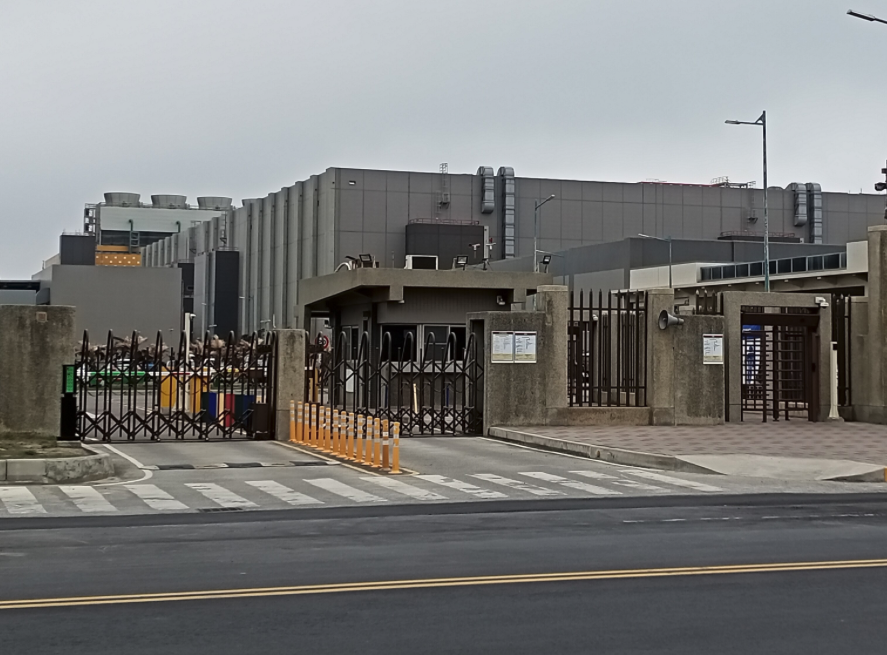
Health and Environmental Risks
The Institute for Environmental and Sustainability Professionals has stated that for any data centre proposal an Environmental Impact Assessment should in fact be a fundamental requirement ‘evidencing a demonstrable contribution towards promoting good health, preventing ill-health, reducing health inequalities or supporting social interaction in the local community’. Not least, this is because of potential adverse effects on population health from pollution, water deficit and climate change effects.
Increased environmental temperature
A recent study from Cambridge showed that the heat from a cluster of 30-40 data centres (as there is in Slough for example; population 140,000) can create a heat island effect with temperatures increasing from 2oC-9oC. Note that the NHS had it’s busiest summer ever in 2026 with heat stress causing death and exacerbating cardiovascular disease, diabetes, asthma, mental health and transmission of some infectious diseases.
Air pollution
Data centres currently consume around 2.5% of UK’s electricity, expected to rise to 6% by 2030. Air pollution is a common pathway for respiratory disease, produced by data centres using high volumes of non-renewable energy, first during their construction and then during operation. In addition to respiratory diseases, air pollution has recently been linked to higher glaucoma and cataract risk and to dementia. Over a quarter of care homes and 3000 medical centres are located in areas of high fine particulate matter (PM2.5), already impacting vulnerable people and communities, even before an additional burden is added. Data centres are racing to access the electricity grid and there are also 100 enquiries pending for gas connections. Whilst some data centres claim they will use renewable energy, many use backup diesel generators, which are sources of nitrogen oxides with the potential to emit into their local environment leading to asthma and respiratory infections.
Water scarcity
The UN has declared 2026 the beginning of global water bankruptcy, with the UK Environment Agency (EA) already proposing additional reservoirs and water conservation for the forecasted 5 billion daily shortage by 2055. With climate change, water scarcity is increasing. In the UK, data centres currently use approximately 6.6 million litres of water daily, expected to rise to 19.8 million by 2030. The water abstraction applications in Slough, for example, were for 1.7 million litres/day in 2020, and 2.1 million litres in 2022.
In July 2025, the EA stated that because data centres are not required to record the amount of water they use to cool their servers (!), the government is unable to predict how much water they will require over the coming decades and therefore future shortages could be more severe than currently predicted. Additional lack of policy and legal clarity leads to data centre owners and customers believing they have priority for access to water on hot days when demand increases.
UN Sustainable Development Goal (SDG) 6.1 commits to universal and equitable access to safe and affordable drinking water for all with SDG 6.4 ensuring water-use is efficient (tackling leaks) and there are adequate freshwater supplies. A lack of fresh drinking water causing dehydration, something that already costs the NHS £1 billion annually, particularly affecting older adults as well as other clinically vulnerable populations.
Water pollution
Industrial use of water by data centres carries a risk of spreading the infection legionella, with a single outbreak costing nearly £500,000 for the public health response. Per- and polyfluoroalkyl substances (PFAS) (‘forever chemicals’) are associated with cancer risk, reduced immune function and in children, developmental delay. To reduce the water consumption in the US, there has been an increase in use of PFAS for alternatives to water or evaporative cooling, with data centres now expected to expand the production of these pollutants. The UK government has said it will publish a report by July 2027 on the human effects of PFAS exposure. Recent findings of increased PFAS concentrations in people living near a former industrial site raised concerns about local environmental contamination, but PFAS can be spread far and wide through the water cycle.
Noise pollution
The processing of data, cooling systems, ventilation and generator testing cause low-frequency noise either intermittently or persistently. People nearby to data centres have reported sleep disturbance, stress and reduced quality of life. Whilst insomnia data is currently difficult to compile, a study of 160,000 people aged 38-71 in 2023 reported 6% of primary care records contained insomnia symptoms, with sleep deprivation costing the UK economy approximately £40billion annually.
Housing Priorities
Housing is a determinant of health with unsuitable or no access to housing causing infectious disease transmission and both physical and mental chronic ill health. In the UK, there are over 1.3 million households on social housing waitlists, including 30,000 in Tower Hamlets in London. Angela Rayner overruled the opposition to a data centre on Brick Lane rather than supporting local demands for new social housing. Across London, prioritising requests for data centre grid connection has put back housing requests by 15 years, due to limited capacity.
Conclusion
There are many legitimate objections to data centres including massive consumption of energy and water resources. The environmental and health impacts require full transparency and represent a significant risk that can only pile further pressure onto an under resourced NHS. Those campaigning against data centres cannot simply be dismissed as nimbys – a handy slur for those like George Osborne with a financial stake in AI roll out. Campaigners already fighting for a reinvigorated public NHS have much common ground with activists fighting against data centres. This includes opposition to the anti-democratic nature of US big tech and the dominant role being given to these companies in our health care system and other areas of public life.
We already know that climate change is the biggest threat to public health, underlining an urgent need for environmental and health activists to find ways of working together and amplifying each others voice. Resistance to AI centres is not just about limiting local development, but represents an important front in the fight against tech-enabled authoritarianism. For example, where else can people push back on job-eating algorithms, distorting deep fakes, and autonomous drone strikes? The movement against data centres is not just about the future of a novel technology but about the future of democracy. It is about who controls the economy and whether its works to benefit the mass of the population or only a tiny minority of super-rich. While the potential for AI and data centres to offer advantages in terms of human progress must to be acknowledged, unless this juggernaut is brought under democratic control with a publicly led digital ecosystem, the harms seem likely to outweigh the benefits. This is why calling for a moratorium at the present time should be a key demand for progressives and why local voices must be listened to by government.
by Nicola Avery Leeds Keep Our NHS Public
SOURCES:
Adamou, C. (2026). Air pollution linked to higher glaucoma and cataract risk: ESCRS 2026. [online] European Medical Journal. Available at: https://www.emjreviews.com/general-healthcare/news/air-pollution-linked-to-higher-glaucoma-and-cataract-risk-escrs-2026/ [Accessed 20 Sept. 2026].
Aishwarya Natarajan (2025). The hydro-digital paradox: Water scarcity in the age of artificial intelligence. Journal of Computer Science and Technology Studies, [online] 7(7), pp.500–505. doi:10.32996/jcsts.2025.7.7.55.
Asthma + Lung UK. (2026). Asthma + lung UK. [online] Available at: https://www.asthmaandlung.org.uk/invisible-threat [Accessed 20 Sept. 2026].
Bentley, R., Mason, K., Jacobs, D., Blakely, T., Howden-Chapman, P., Li, A., Adamkiewicz, G. and Reeves, A. (2025). Housing as a social determinant of health: A contemporary framework. The Lancet Public Health, [online] 10(10), pp.e855-e864. doi:10.1016/s2468-2667(25)00142-2.
British Medical Association (2023). Health funding data analysis. [online] The British Medical Association. Available at: https://www.bma.org.uk/advice-and-support/nhs-delivery-and-workforce/funding/health-funding-data-analysis [Accessed 20 Sept. 2026].
Campbell, D. (2026). NHS reports busiest ever summer as heatwaves drive up hospital admissions. [online] the Guardian. Available at: https://www.theguardian.com/society/2026/sep/10/nhs-busiest-ever-summer-heatwaves-hospital-admissions [Accessed 20 Sept. 2026].
ChemSec (2026). World’s top 10 PFAS producers — Most are expanding production. [online] ChemSec. Available at: https://chemsec.org/reports/the-worlds-top-10-pfas-producers/ [Accessed 20 Sept. 2026].
Clark, A., Stewart, I., Woodhouse, J. and Burnett, N. (2025). Data centres: Planning policy, sustainability, and resilience. [online] House of Commons Library. Available at: https://commonslibrary.parliament.uk/research-briefings/cbp-10315/ [Accessed 20 Sept. 2026].
Department for Science, Innovation and Technology (2024). Data centres to be given massive boost and protections from cyber criminals and IT blackouts. [online] GOV.UK. Available at: https://www.gov.uk/government/news/data-centres-to-be-given-massive-boost-and-protections-from-cyber-criminals-and-it-blackouts [Accessed 20 Sept. 2026].
Dooner, S. (2026). Legionella control for data centres. [online] Legionellacontrol.com. Available at: https://legionellacontrol.com/legionella/legionella-control-for-data-centres/ [Accessed 20 Sept. 2026].
eBioMedicine (2023). Forever chemicals: The persistent effects of perfluoroalkyl and polyfluoroalkyl substances on human health. eBioMedicine, [online] 95, p.104806. doi:10.1016/j.ebiom.2023.104806.
Environment Agency (2025). England faces 5 billion litre public water shortage By 2055 without urgent action. [online] GOV.UK. Available at: https://www.gov.uk/government/news/england-faces-5-billion-litre-public-water-shortage-by-2055-without-urgent-action [Accessed 20 Sept. 2026].
Global Action Plan (2023). Big tech | global action plan. [online] Global Action Plan. Available at: https://www.globalactionplan.org.uk/our-work/big-tech [Accessed 20 Sept. 2026].
Godfrey, H., Cloete, J., Dymond, E. and Long, A. (2012). An exploration of the hydration care of older people: A qualitative study. International Journal of Nursing Studies, 49(10), pp.1200–1211. doi:10.1016/j.ijnurstu.2012.04.009.
HOC (2026). Moratorium on new AI data centres – early day motions – UK parliament. [online] Parliament.uk. Available at: https://edm.parliament.uk/early-day-motion/66438/moratorium-on-new-ai-data-centres [Accessed 20 Sept. 2026].
IGEM (2026). Data centre gas connections enquiries surge amid electricity grid queues. [online] Igem.org.uk. Available at: https://www.igem.org.uk/resource/data-centre-gas-connections-enquiries-surge-amid-electricity-grid-queues.html [Accessed 20 Sept. 2026].
ISEP (2026). From assessing health impacts to creating healthier places: Volume 28 of the Impact Assessment Outlook Journal. [online] Isepglobal.org. Available at: https://www.isepglobal.org/resources/blogs/2026/september/from-assessing-health-impacts-to-creating-healthier-places-volume-28-of-the-impact-assessment-outlook-journal/ [Accessed 20 Sept. 2026].
Kings Fund (2026). Performance stats: NHS now facing twin crisis of summer and winter. [online] The King’s Fund. Available at: https://www.kingsfund.org.uk/insight-and-analysis/press-releases/performance-stats-nhs-crisis [Accessed 20 Sept. 2026].
LOCK, K., MILLETT, C., HEATHCOCK, R., JOSEPH, C.A., HARRISON, T.G., LEE, J.V., RAO, G. and SURMAN-LEE, S. (2007). Public health and economic costs of investigating a suspected outbreak of Legionnaires’ disease. Epidemiology and Infection, 136(10), pp.1306–1314. doi:10.1017/s0950268807000076.
McHale, J. (2019). The impact of Brexit on the NHS. [online] University of Birmingham. Available at: https://www.birmingham.ac.uk/research/perspective/impact-of-brexit-on-the-nhs [Accessed 20 Sept. 2026].
McLellan, F. (2026). AI data centres raise public health concerns. The Lancet, [online] 407(10524), pp.119–120. doi:10.1016/S0140-6736(26)00033-4.
McQuillan, C. (2026). Wild swimming and waterborne illnesses: A guide for primary care. [online] The Pharmacist. Available at: https://www.thepharmacist.co.uk/clinical/wild-swimming-and-waterborne-illnesses-a-guide-for-primary-care/ [Accessed 20 Sept. 2026].
NHSBSA (2025). Estimates report | NHSBSA. [online] Nhsbsa.nhs.uk. Available at: https://www.nhsbsa.nhs.uk/statistical-collections/nice-technology-appraisals/nice-technology-appraisals-nhs-england-innovation-scorecard-december-2025/estimates-report [Accessed 20 Sept. 2026].
Paulo, S.S. (2026). Why bringing back the family doctor might not be so simple. BMJ, [online] 394, p.e100677. doi:10.1136/bmj-2026-100677.
Pettingill, J. (2025). The true cost of sleep deprivation. [online] Peoplemanagement.co.uk. Available at: https://www.peoplemanagement.co.uk/article/1910203/true-cost-sleep-deprivation [Accessed 20 Sept. 2026].
Shelter (2023). What is social housing? – Shelter England. [online] Shelter England. Available at: https://england.shelter.org.uk/support_us/campaigns/social_housing/what_is_social_housing [Accessed 20 Sept. 2026].
Tech UK (2019). NOx implications for data centre operators. [online] Available at: https://www.techuk.org/asset/587EFBAD-B224-4121-80E70AD8FD045E3C/ [Accessed 20 Sept. 2026].
Uddin, T. (2026). Brick lane needs social housing, not a data centre. [online] Tribunemag.co.uk. Available at: https://tribunemag.co.uk/2026/08/brick-lane-data-centre [Accessed 20 Sept. 2026].
UN (2015). The Global Goals – Goal 6: Clean water and sanitation. [online] The Global Goals. Available at: https://globalgoals.org/goals/6-clean-water-and-sanitation/ [Accessed 20 Sept. 2026].
UN (2026). World enters era of ‘global water bankruptcy’. [online] UN News. Available at: https://news.un.org/en/story/2026/01/1166800 [Accessed 20 Sept. 2026].
Water UK (2024). Written evidence – DCU0037. [online] Parliament.uk. Available at: https://committees.parliament.uk/writtenevidence/164766/html/ [Accessed 20 Sept. 2026].
World Health Organization (2024). Heat and health. [online] World Health Organization. Available at: https://www.who.int/news-room/fact-sheets/detail/climate-change-heat-and-health [Accessed 20 Sept. 2026].
Worrell, K. (2026). Slough-datacentres could raise nearby temperatures. [online] Slough Observer. Available at: https://www.sloughobserver.co.uk/news/26263245.slough-datacentres-raise-nearby-temperatures/ [Accessed 20 Sept. 2026].
https://morningstaronline.co.uk/article/forever-chemicals-blood-tests-labour-agc-chemicals-factory-plant-thornton-cleveleys-lancashire
https://www.theguardian.com/politics/2026/sep/22/george-osborne-ai-datacentre-nimbys-holding-back-britain
https://www.theguardian.com/uk-news/2026/sep/29/even-george-osborne-might-be-a-nimby-if-an-ai-datacente-was-built-next-to-his-home
https://www.theguardian.com/world/2026/sep/02/wednesday-briefing-whats-behind-the-global-backlash-against-datacentres
https://www.theguardian.com/commentisfree/2026/may/08/ai-datacenters-democracy
and see: https://www.bmj.com/content/394/bmj-2026-100986/rr